Digital Twins at the University of Zurich
The 15th CABMM Symposium this year focused on Generative AI & Digital Twins in Medicine: Fact or Fiction? We would like to share some of the concepts presented during the event held at the University of Zurich (UZH).

The keynote lecture was given by Claudia M. Witt (UZH) and was the perfect start to the afternoon’s learnings. After first explaining the need for digital twins, she took the participants on a tour of an imagined future with digital twins. Finally, she examined the implications that digital twins have on various actors within the healthcare system. Find out more by reading the article published in Nature which Claudia coauthored.

Next up was Sven Hirsch (ZHAW) who examined model-based precision medicine. He told the audience that while digital twins will radically change decision making in medicine, annotated and real-life data are essential in developing them. To illustrate the point, he led the audience through a case study on digital twins in stroke care. For a list of Sven’s publications and projects, click here.
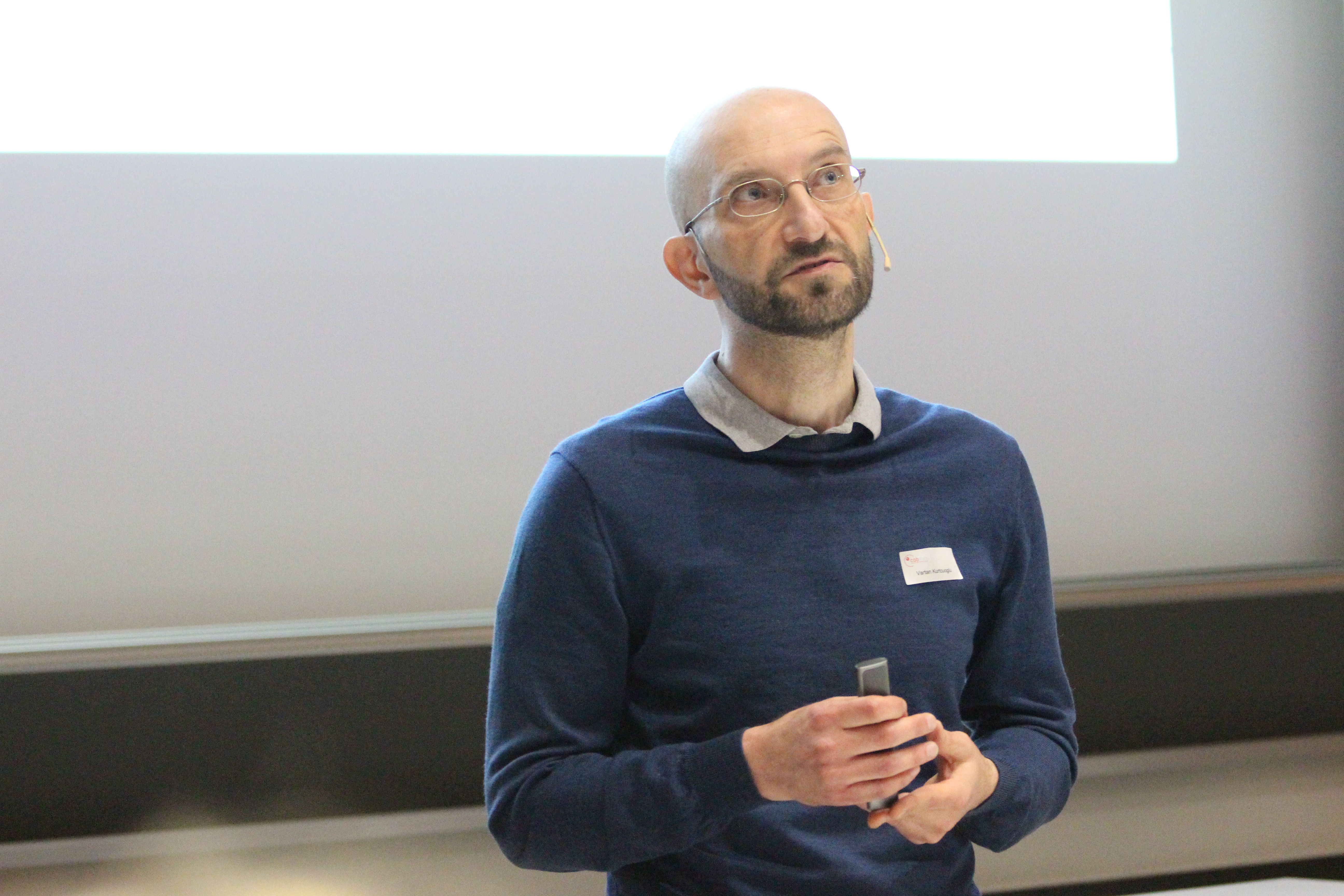
Vartan Kurtcuoglu (UZH), Head of the Interface Group, spoke about coronary artery disease and how digital twins could be used to predict plaque locations. Addressing the point made in the previous presentation, Vartan walked the audience through an example of how to deal with unknown parameters. He ended with a message exhorting researchers to consider using probabilistic approaches to parameterizing digital twins, despite the inherent difficulties of such an approach.
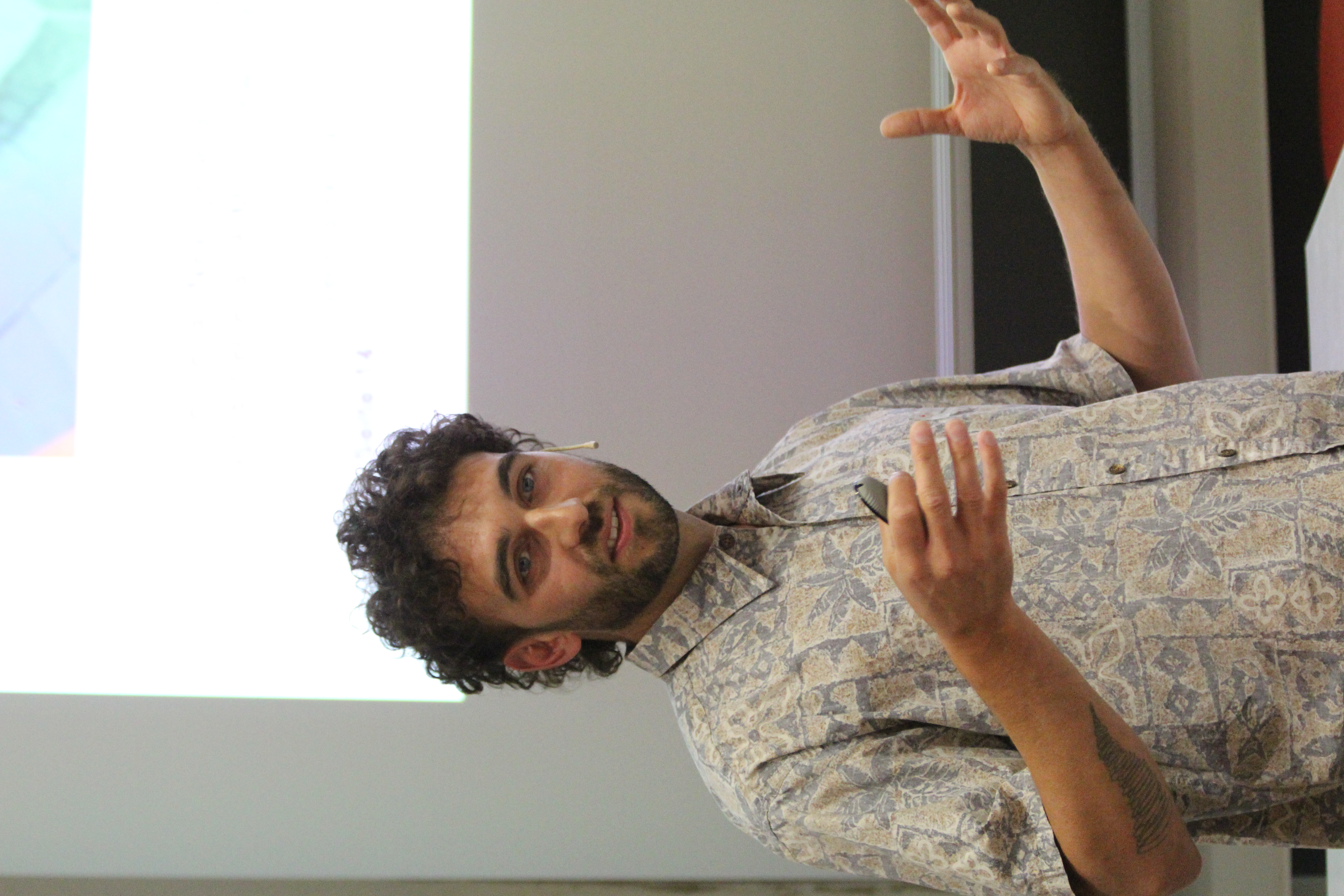
Matthias Seibold (Balgrist University Hospital / UZH) was the first presenter in the second part of the program. He profiled the Operating Room X and outlined how the fully connected operating room of the future could look like. In a short video, he brought home to the audience the importance of understanding workflows while operating in order to build surgical intelligence. Digital twins can act as a unifying framework for surgical data science.
Read A novel augmented reality-based simulator for enhancing orthopedic surgical training which Matthias coauthored.
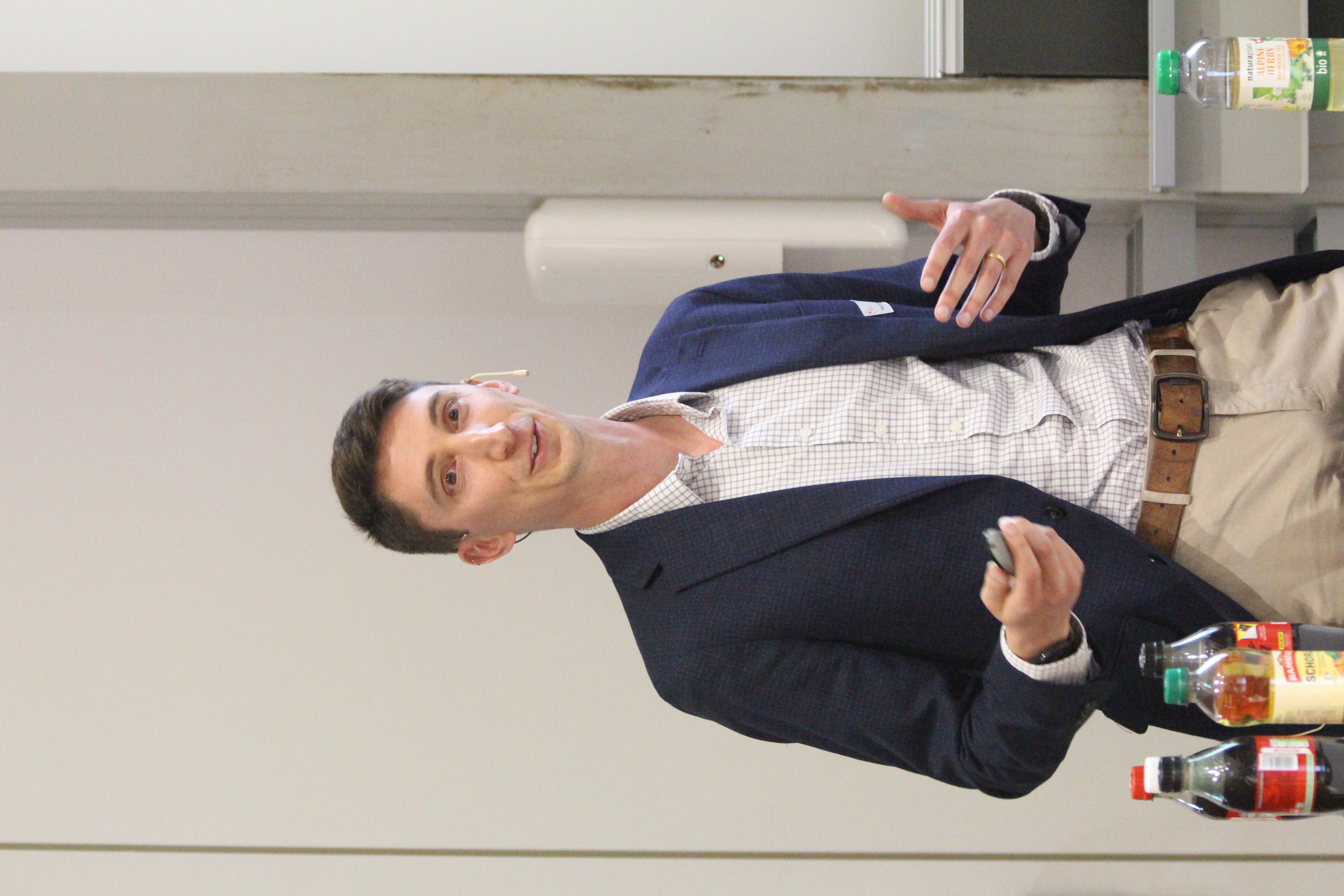
Peter Schwarzenberg (AO Foundation) tackled digital twins in bone fracture healing through the use of combined simulations and implantable sensors. He provided some real-life examples to demonstrate the utility of virtual tests and showed how even simple models can identify bone healing rates when compared to actual results. Peter then showed how prognostic models could be built to predict healing outcomes. Once these models are finetuned, they can be used to identify patients at risk of adverse healing outcomes like nonunion of the bone.
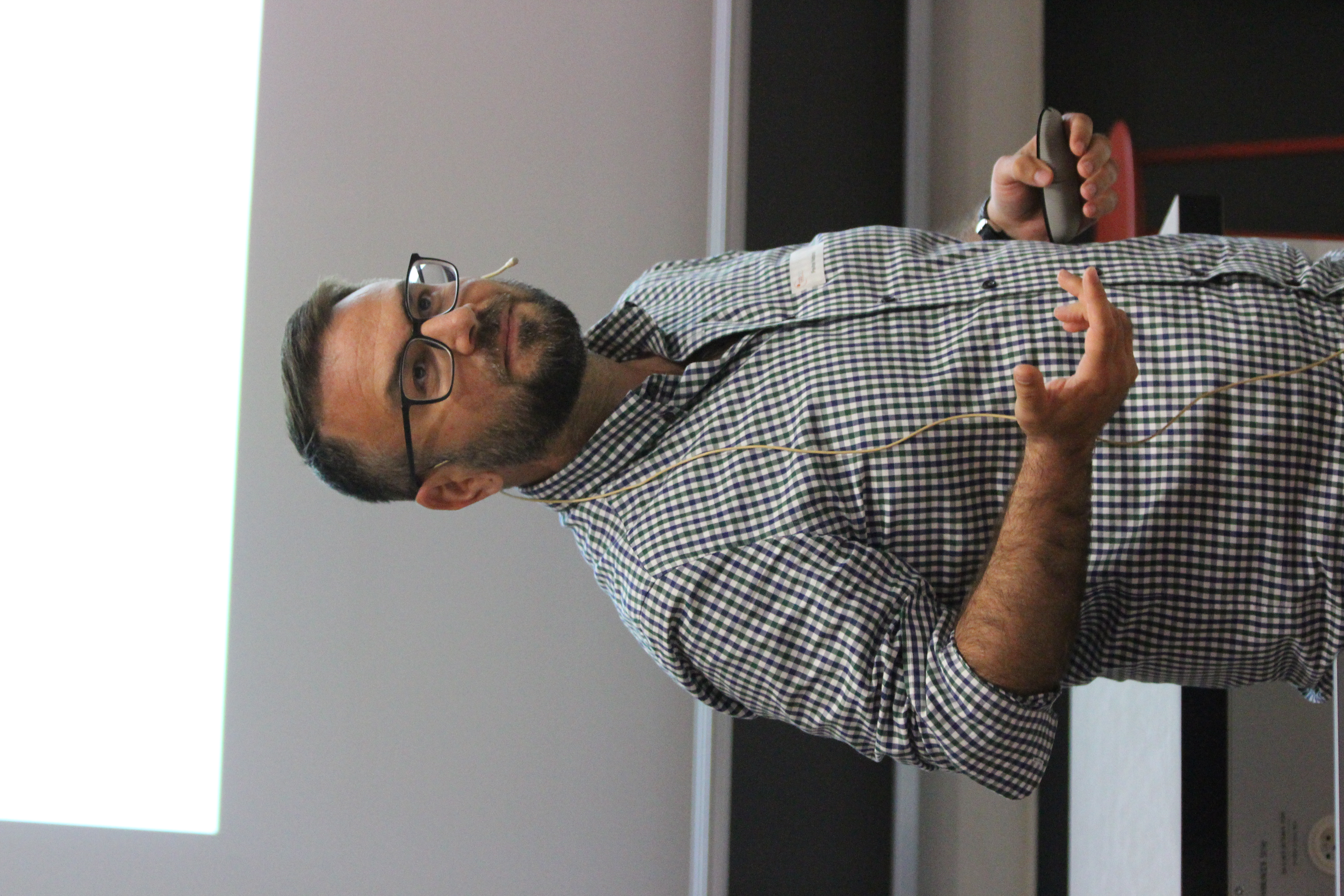
Building nicely on Peter’s presentation, Pavlos Natsios (Musculoskeletal Research Unit, UZH) turned his attention to digital twins in veterinary orthopedics. He opened with a review of kinematics and how dogs can be used as a model for Anterior Cruciate Ligament (ACL) deficiencies. A clinical application was presented through a case study of a dog whose owner believed suffered from lameness, demonstrating how modern models can be a powerful tool for clinicians in identifying problems that conventional diagnostic tools might miss. See Pavlos’ publication list here.

The final presentation of the day was the first to feature two speakers, Jascha Grübel and Leonel Aguilar. They examined the potential and pitfalls of a world which is increasingly integrating AI and digital technology into everyday life. Having teased out the differences between experiments compared to experimentation, they showed the link between experiments as code and digital twins.

They advocated for an open digital twin platform where data collection, processing and analysis which lead to decision support are available to all and explained the benefits of an open health research infrastructure. Their presentation ended with the strong message that “Digital twins enable open research data, analysis, process and design.” Read a publication they coauthored, IUMENTA: A generic framework for animal digital twins within the Open Digital Twin Platform.

All nine presenters then took to the stage for a panel discussion where they could more deeply explore the role of digital twins in the modern world and elaborate on perspectives beyond what they could show in their presentations.
Questions from the audience also added to the debate.

After an intense afternoon of learning, everyone was happy to join a post-event get-together where over drinks and snacks, the conversations about digital twins continued in a convivial setting.
It was also a chance for CABMM team members and CABMM Scientific Advisory Board members to catch up in person.

The whole event was put together by the CABMM team of Silke Kalchofner-Mark, Marina Klawitter, Salim Darwiche and Diarmuid De Faoite. Salim did the moderation throughout the day.
Everyone at CABMM would like to thank the presenters for sharing their knowledge. They also extend their thanks to the many attendees at the event whose insightful questions also added to the symposium.